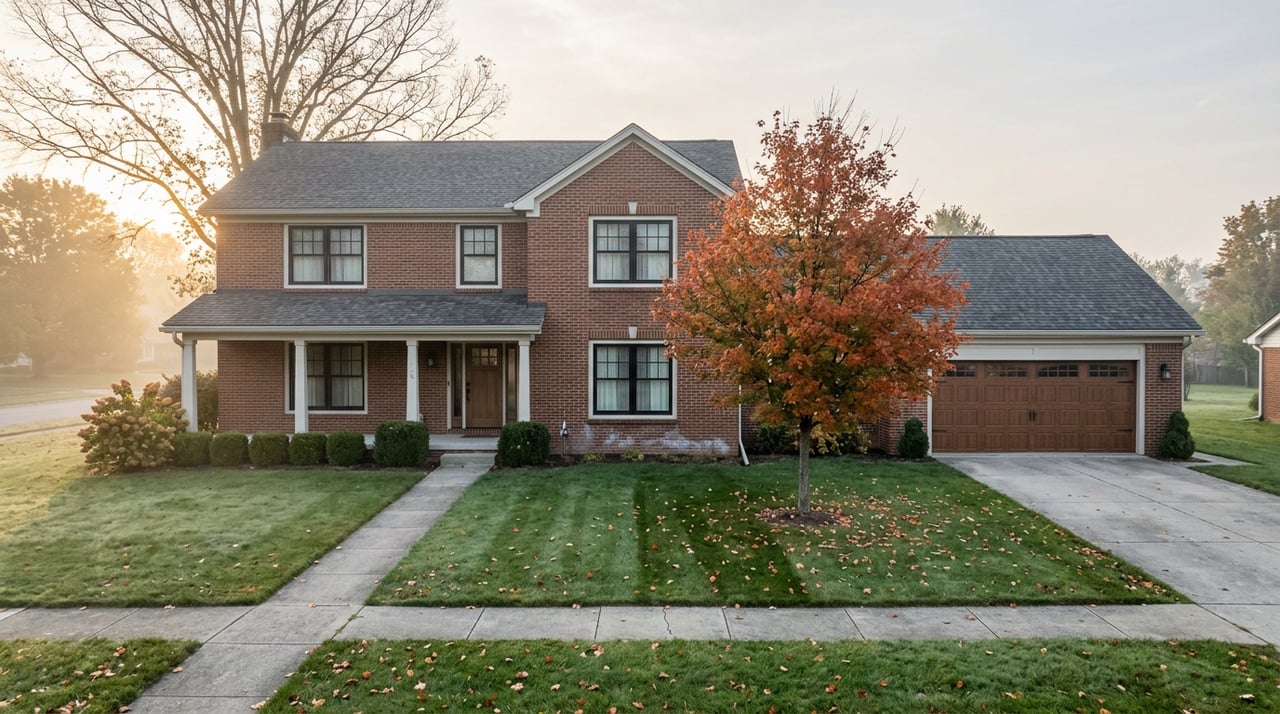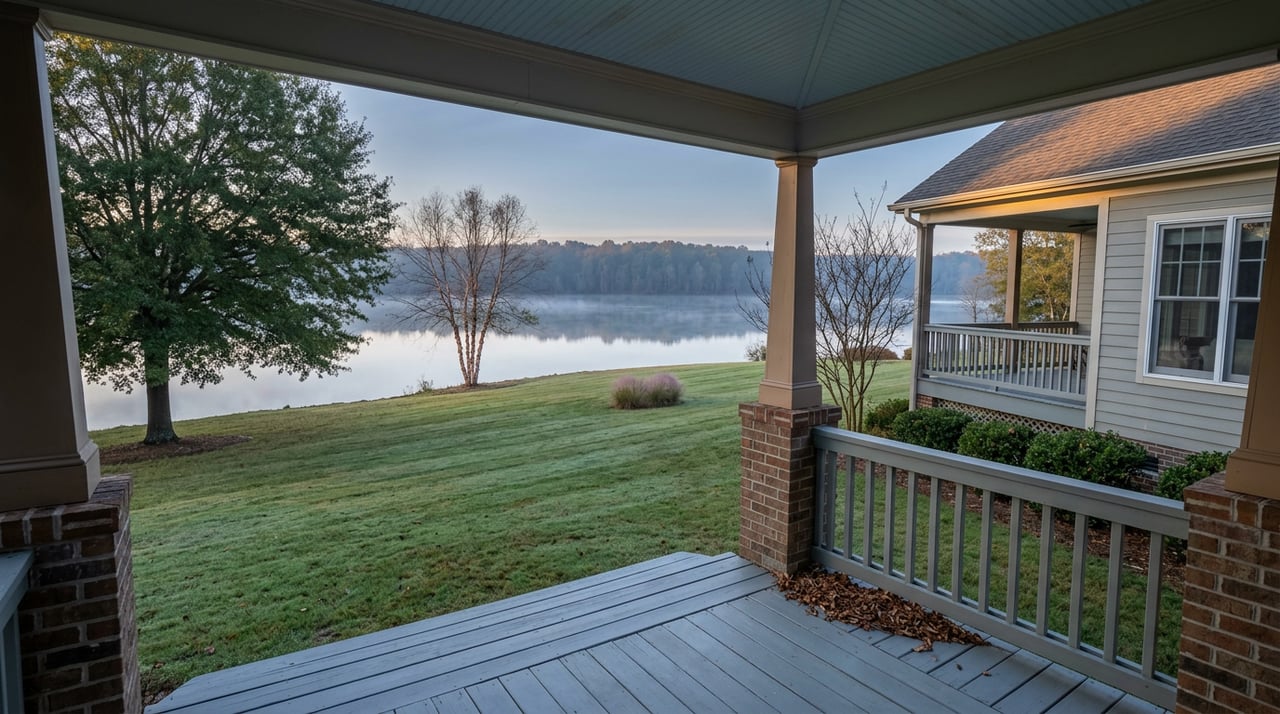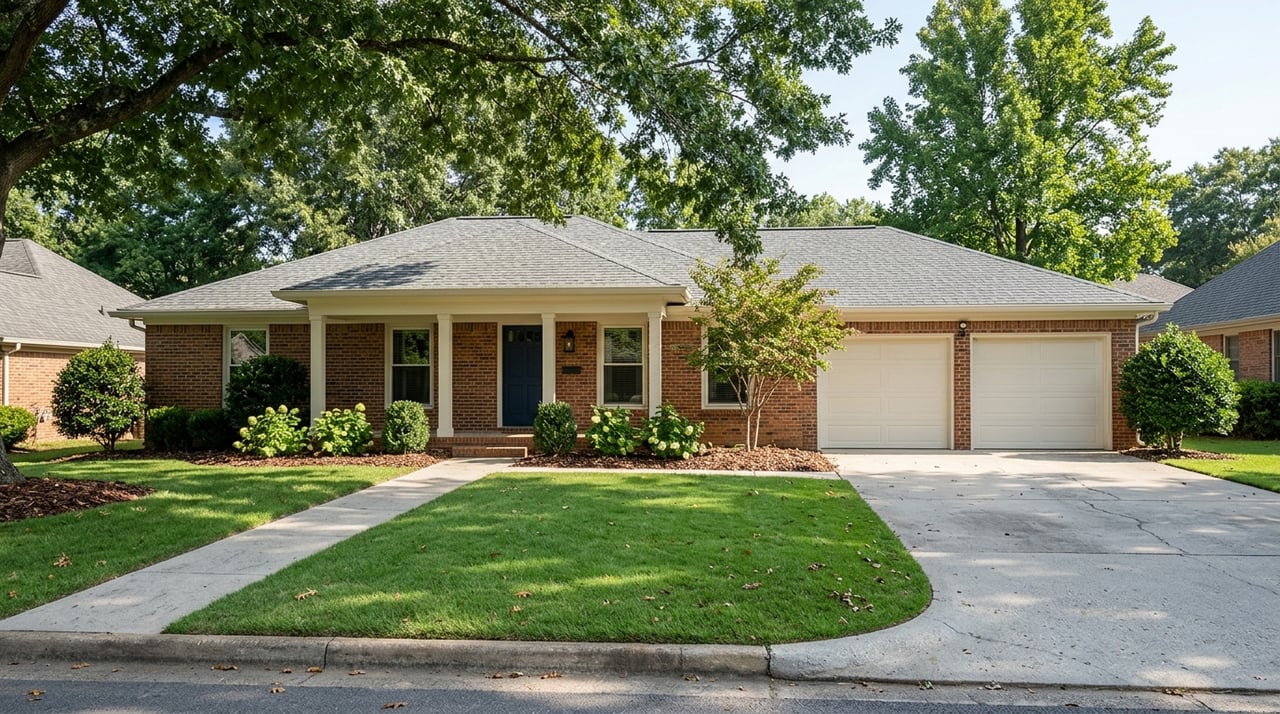
Wondering which part of Murfreesboro will actually fit your day-to-day life? That question matters more than ever in a growing city where commute times, housing styles, price points, and access to parks can vary quite a bit from one area to the next. If you are planning a move, this guide will help you compare the main neighborhood patterns in Murfreesboro so you can narrow your search with more confidence. Let’s dive in.
Start With Your Daily Routine
The best Murfreesboro neighborhood for you is not just about the house itself. It is also about how easily your location supports your work commute, weekend plans, and the places you expect to visit most often.
Murfreesboro is part of the Nashville metro area and sits about 35 miles southeast of Nashville. Rutherford County’s mean travel time to work was 28.1 minutes in the 2020 to 2024 data period, which makes commute convenience a practical factor when comparing neighborhoods.
The city is also continuing to grow. Murfreesboro’s population increased from 152,769 in 2020 to an estimated 168,387 in 2024, and Rutherford County grew from 341,486 in 2020 to 386,352 in 2025.
That growth helps explain why buyers often begin with a few basic questions:
- How close do you want to be to work?
- Do you want easier highway access?
- Would you rather be near parks and trails?
- Are you looking for older homes, newer subdivisions, or a mix?
- Is your budget closer to the low-$300,000s, the high-$300,000s to low-$400,000s, or above $500,000?
Know Murfreesboro’s Big-Picture Appeal
One reason many buyers choose Murfreesboro over a smaller Southern Middle Tennessee town is convenience. The city offers a broader employer base, transit service, more housing variety, and an extensive parks and greenway system.
Major local employment anchors include MTSU, Middle Tennessee Medical Center, Rutherford County Government, Nissan, Amazon, Ascension St. Thomas Rutherford, Ingram Book, Taylor Farms, the Alvin C. York Veterans Administration Medical Center, and Asurion. Interstate 24 also runs through Murfreesboro, which supports access toward Nashville and Chattanooga.
If public transit matters to you, Murfreesboro Transit operates from the Transit Center on New Salem Highway. It offers eight routes, runs Monday through Friday from 6:00 a.m. to 6:00 p.m., includes limited Saturday service on selected routes, and uses fully accessible fixed-route vehicles.
Compare Murfreesboro Neighborhood Patterns
While every street and subdivision has its own feel, most buyers in Murfreesboro end up comparing a few broad location patterns. These tend to come down to character, convenience, green space, and price range.
Downtown Murfreesboro
If you want character and a more walkable setting, downtown often rises to the top of the list. The historic downtown square, Cannonsburgh Village, City Hall, and Linebaugh Public Library are all part of this central area, and the Cannonsburgh Trailhead connects you to the most urban portion of the greenway system.
Housing in the downtown area is one of the city’s widest mixes. You can find single-family homes, townhouses, and condos, with prices that can vary sharply depending on the block, property type, and historic setting.
In March 2026, Downtown Murfreesboro’s median sale price was reported at $334,250. At the same time, recent examples in the core ranged from about $769,900 on North Maney Avenue to around $1.29 million in the East Main Street National Historic District, which shows how broad the spread can be.
If you are considering a historic property, it is smart to pay attention to renovation expectations. Murfreesboro’s Historic Zoning Commission oversees historic district boundaries and guidelines for renovations or new construction in those areas.
West Murfreesboro and Blackman
If suburban convenience is your priority, West Murfreesboro and Blackman are often strong contenders. These areas tend to attract buyers looking for neighborhood-style living, straightforward access to shopping and services, and easier connections to major roads.
West Murfreesboro had a median sale price of $375,000 in March 2026, while Blackman came in at $509,000. Blackman homes were selling in about 68 days, which suggests that timing and inventory can look different here than in other parts of the city.
This part of town may appeal to you if you want a more suburban layout and a larger share of newer or larger homes. It can also be a practical option if access to Medical Center Parkway or Interstate 24 is high on your list.
Puckett Station Area
Puckett Station is often part of the same conversation as West Murfreesboro and Blackman. Buyers looking here may find updated townhomes in the mid-$300,000s, along with larger single-family homes around $499,000 to $655,000.
This area can make sense if you want newer housing options and a location that supports quick trips toward key commercial corridors. As always, exact value depends on home size, age, updates, and lot characteristics.
South Murfreesboro
If park access matters most, South Murfreesboro stands out. Barfield Crescent Park is a 430-acre community park with more than 7 miles of hiking and walking trails, a Stones River Greenway trailhead, disc golf, campsites, playgrounds, and the Wilderness Station.
Old Fort Park adds another strong outdoor feature in the broader south side pattern. It includes a 50-acre community park with greenway access, a skate park and pump track, tennis facilities, and open play space.
For buyers who want outdoor access built into their routine, this area deserves a close look. Murfreesboro’s greenway system covers more than 17 miles, includes 16 trailheads, and offers three small-watercraft launch points.
Northeast and Edge-of-City Areas
If you want to stay in Murfreesboro but prefer a quieter edge-of-city feel, the northeast side may be worth exploring. The North Murfreesboro Greenway follows the East Fork Stones River and includes scenic overlooks with access at Central Valley and Walter Hill.
This is less of a formal neighborhood label and more of a location pattern to keep in mind. For some buyers, that balance between city access and a less central setting can be appealing.
Understand the Price Spectrum
One of the biggest mistakes buyers make is assuming Murfreesboro has a single price point. It does not. The market includes everything from smaller renovated homes and condos near downtown to larger homes in suburban neighborhoods and premium historic properties in select core areas.
Recent citywide figures help set expectations. Zillow reported an average home value of $426,292 and a median sale price of $399,014 in late winter and early spring 2026, while Redfin reported a citywide median sale price of $410,000 in March 2026.
The Census Bureau’s 2020 to 2024 ACS estimated the median value of owner-occupied housing units in Murfreesboro at $402,100. In Rutherford County, the comparable figure was $382,600.
A simple way to think about Murfreesboro pricing is this:
- Low-$300,000s and below: smaller renovated homes, condos, and some townhomes, especially closer to downtown
- Mid-$300,000s to low-$400,000s: a large share of the citywide market and many standard single-family options
- $500,000s and up: larger or newer homes, especially in areas like Blackman and Puckett Station
- $700,000s and up: premium historic homes and select blocks in areas such as East Main and North Maney
Match the Neighborhood to Your Priorities
Once you know your budget, the next step is matching it to how you actually live. A neighborhood that looks great on paper may not feel right if it adds stress to your commute or keeps you far from the places you use most.
Here is a simple way to narrow your options:
Choose Downtown If You Want Character
Downtown can be a fit if you want an older core, a walkable setting, and a wider mix of property types. It may also appeal to buyers who value proximity to civic spaces, the public library, and urban greenway access.
Choose West or Blackman for Convenience
West Murfreesboro and Blackman can make sense if you want suburban development patterns, practical road access, and a broad selection of standard single-family homes. If your routine depends on reaching Interstate 24 or Medical Center Parkway quickly, these areas are worth comparing.
Choose South for Parks and Trails
South Murfreesboro may be the better fit if you want outdoor recreation close to home. Access to Barfield Crescent Park, Old Fort Park, and the larger greenway system is a major draw in this part of the city.
Choose the Edges for a Quieter Feel
If you prefer a less central feel without leaving Murfreesboro, edge-of-city areas can be worth a closer look. The northeast side, in particular, gives you access to river-oriented greenway sections and a different pace than the urban core.
Keep Market Pace in Mind
Neighborhood choice is not only about lifestyle. It also affects how fast you may need to act when the right home appears.
Murfreesboro was described as a somewhat competitive market, with homes receiving about two offers on average and selling in around 79 days. That does not mean every neighborhood moves at the same speed, but it does mean you should expect differences in inventory and timing depending on where you focus your search.
If you are relocating from elsewhere in Southern Middle Tennessee, that variety can be a plus. Murfreesboro often offers more housing styles and more convenience than smaller towns, while smaller towns may offer more space and a quieter pace.
A Smart Way to Decide
If you feel torn between two or three areas, try ranking neighborhoods by the things that affect you most each week. Commute route, housing style, outdoor access, and budget usually matter more than broad labels.
A simple rule of thumb is helpful here: downtown for character and walkability, west and Blackman for suburban convenience, south for park access, and the northeast or outer edge for a quieter feel. That framework will not replace an in-person visit, but it can give you a strong starting point.
When you are ready to compare neighborhoods in Murfreesboro with a local perspective, Mike Winton Realty & Auction can help you sort through the options and move forward with confidence.
FAQs
What is the best Murfreesboro neighborhood for commute convenience?
- West Murfreesboro, Blackman, and areas with easier access to Interstate 24 or Medical Center Parkway often stand out for buyers focused on commute convenience.
What is the best Murfreesboro area for parks and trails?
- South Murfreesboro is a strong option for buyers who want close access to Barfield Crescent Park, Old Fort Park, and the city’s larger greenway system.
What is the price range for homes in Murfreesboro neighborhoods?
- Murfreesboro spans a wide range, from low-$300,000s and below for some smaller homes, condos, and townhomes to $500,000s and up for larger newer homes, with premium historic properties climbing much higher.
What should buyers know about Downtown Murfreesboro homes?
- Downtown offers one of the city’s broadest mixes of property types and prices, and buyers considering homes in historic areas should be aware that renovation or new construction may be subject to local historic guidelines.
How competitive is the Murfreesboro housing market?
- Recent market data described Murfreesboro as somewhat competitive, with homes receiving about two offers on average and selling in around 79 days, though pace can vary by neighborhood.